What LlamaIndex Does
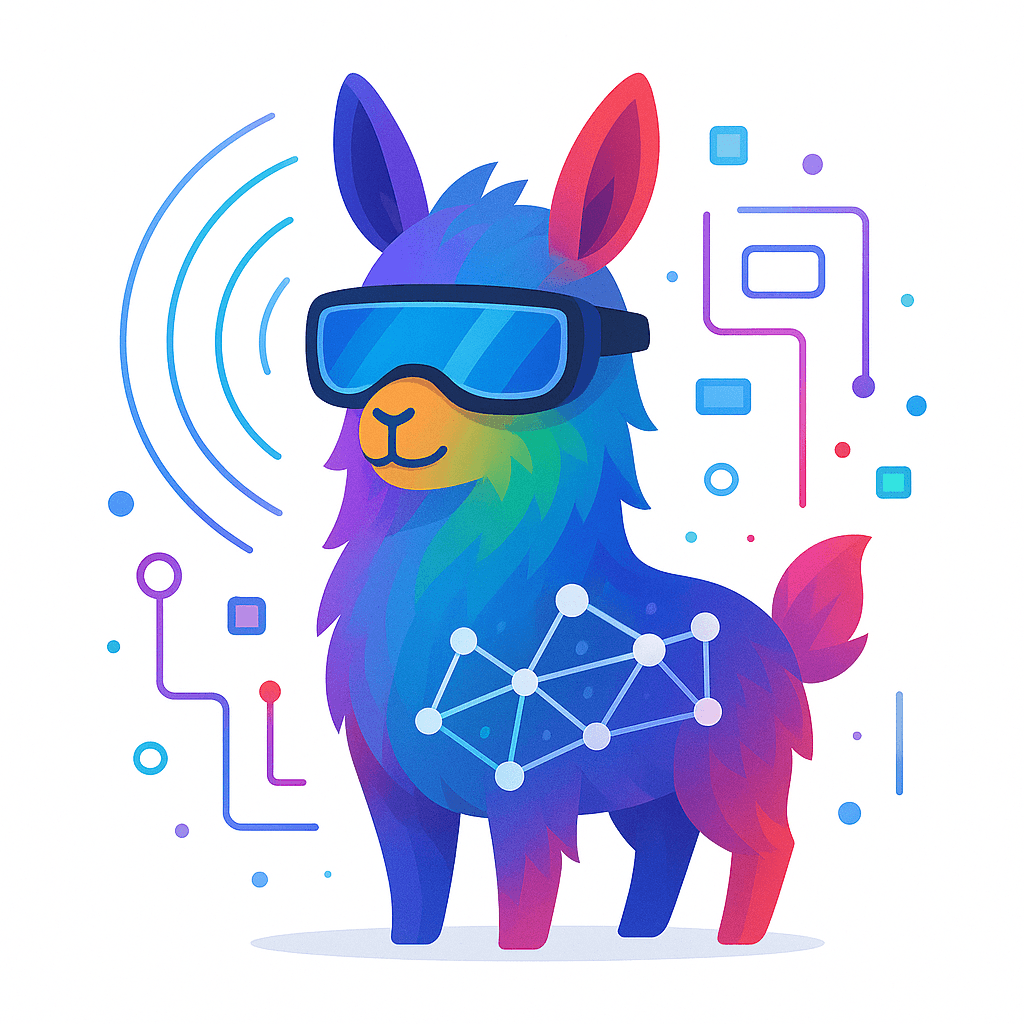
LlamaIndex has evolved from a simple GPT wrapper in 2022 into the most comprehensive data framework for building production RAG applications in 2026. The core premise remains unchanged: LLMs need access to your specific data to be useful, and getting that data into the right format with the right retrieval strategy is the hardest part of the problem. LlamaIndex solves this with a modular architecture that handles ingestion, indexing, retrieval, and synthesis.
Data Connectors and Index Types
The data connector ecosystem through LlamaHub provides over one hundred fifty integrations covering virtually every data source enterprises use. Google Drive, Confluence, Slack, Notion, databases, web pages, and dozens of specialized formats all have maintained connectors. The practical value here is enormous: the most time-consuming part of any RAG project is getting data from where it lives into a searchable format, and LlamaIndex reduces this from weeks of custom engineering to configuration.
Index types represent one of LlamaIndex's most thoughtful design decisions. Rather than forcing everything through vector similarity search, the framework supports vector indexes, keyword indexes, tree indexes for hierarchical summarization, and knowledge graph indexes for relationship-heavy data. Each index type optimizes for different query patterns. Most teams start with vectors and add others as they discover which queries their users actually run.
LlamaParse and Query Engine
LlamaParse has become the standout product for enterprise document processing. The parser handles complex layouts including multi-page tables, embedded images, nested structures, and even handwritten notes with accuracy that surpasses generic PDF parsers. For organizations whose knowledge lives in complex documents like legal contracts, financial reports, or technical manuals, LlamaParse often provides the single biggest improvement in RAG quality.
The query engine layer sits between indexes and LLMs, managing retrieval strategies, reranking, metadata filtering, and multi-index composition. You can configure top-k retrieval, hybrid search combining vectors and keywords, recursive retrieval through document hierarchies, and router-based query distribution across multiple indexes. This flexibility matters because optimal retrieval strategy varies by use case, and LlamaIndex lets you experiment without rebuilding your pipeline.
Workflows and TypeScript Support
Workflows, the event-driven orchestration engine, extends LlamaIndex beyond pure retrieval into multi-step AI processes. You can build pipelines that parse documents, extract entities, populate knowledge graphs, and serve queries in an async-first architecture. The state management allows workflows to be paused and resumed, which is essential for human-in-the-loop review processes in production applications.
The TypeScript SDK has reached reasonable feature parity with Python, making LlamaIndex accessible to the large JavaScript developer community. Both SDKs follow similar abstractions and API patterns, which simplifies documentation and community support. For teams building Node.js or Next.js applications that need RAG capabilities, the TypeScript SDK eliminates the need for a Python microservice.
Production Readiness and LangChain Comparison
Production readiness has improved significantly through 2025 and 2026. The framework now provides async-first design that integrates with FastAPI and other modern Python web frameworks, streaming support for real-time responses, and proper error handling throughout the pipeline. Evaluation utilities help measure retrieval quality and identify degradation, though building comprehensive evaluation pipelines still requires custom work.
The comparison with LangChain is inevitable and clarifying. LangChain is an orchestration framework that treats retrieval as one of many capabilities. LlamaIndex is a data framework that treats retrieval as the primary capability. For applications where the core challenge is getting the right context from your data to your LLM, LlamaIndex provides more specialized and generally better tooling. For applications that need complex agent logic, tool use, or multi-step reasoning beyond retrieval, LangChain or a combination of both is more appropriate.
The Bottom Line
LlamaIndex earns its position as the default choice for RAG development by doing the hard data pipeline work that most frameworks gloss over. The combination of extensive data connectors, flexible indexing, sophisticated query engines, and enterprise-grade document parsing covers the full spectrum from quick prototypes to production deployments. Its focused scope is a strength, delivering excellent retrieval capabilities rather than trying to be everything.